
-
There were many reasons for the change of the site software, the biggest was security. The age of the old software also meant no server updates for certain programs. There are many benefits to the new software, one of the biggest is the mobile functionality. Ill fix up some stuff in the coming days, we'll also try to get some of the old addons back or the data imported back into the site like the garage. To create a thread or to reply with a post is basically the same as it was in the prior software. The default style of the site is light colored, but i temporarily added a darker colored style, to change you can find a link at the bottom of the site.
You are using an out of date browser. It may not display this or other websites correctly.
You should upgrade or use an alternative browser.
You should upgrade or use an alternative browser.
How many Spyder Riders have had a Hip replacement? How does it work for you?
- Thread starter Longtimer
- Start date
McClendons
Active member
If a well done, a hip replacement works fine on the Spyder. In fact, I could go back to two wheels, my hips work great with the exception of flexibility. 1 of mine was "revised" 4 times due to infection, and is a MUCH larger replacement than normal. I have what you might call a hotspot too, which is a little more sensitive when seated. The stock seat was OK with it, but I could feel it. I just put an Ultimate seat on, and it seems to be great.
I've had my left hip done twice and both knees done. Only thing that affects me on a Spyder is the funky way I have to get on it, looks kinda comical, actually. LOL.
Left side of bike; put left leg close to bike up close to the bars; bend way forward; and swing my right leg over the seat. No discomfort at all riding.
I think the reason for this is that I have floorboards and my legs are far forward while riding. When I had my Voyager, I found the most comfortable position was with my feet up on the highway pegs. I actually found it more comfortable than in my truck.
Left side of bike; put left leg close to bike up close to the bars; bend way forward; and swing my right leg over the seat. No discomfort at all riding.
I think the reason for this is that I have floorboards and my legs are far forward while riding. When I had my Voyager, I found the most comfortable position was with my feet up on the highway pegs. I actually found it more comfortable than in my truck.

Albec
Well-known member
You folks who had infections, what happened?
Y'all are scaring me a little with all this talk of infections and having to redo the replacement. What was the cause of these infections?
My left hip is screwed up and I'm in the process of physical therapy, hoping for the best but expecting the worst. My doc wants to do a replacement, but I'm going to hem and haw for a while first. Injections and PT then we'll see what's what.
Y'all are scaring me a little with all this talk of infections and having to redo the replacement. What was the cause of these infections?
My left hip is screwed up and I'm in the process of physical therapy, hoping for the best but expecting the worst. My doc wants to do a replacement, but I'm going to hem and haw for a while first. Injections and PT then we'll see what's what.


You folks who had infections, what happened?
Y'all are scaring me a little with all this talk of infections and having to redo the replacement. What was the cause of these infections?
My left hip is screwed up and I'm in the process of physical therapy, hoping for the best but expecting the worst. My doc wants to do a replacement, but I'm going to hem and haw for a while first. Injections and PT then we'll see what's what.
Without going into the morbid and graphic detail, but speaking from hard and painfully learnt experience (altho gaining this experience involved most other major bones, organs, and joints in my body, it did not actually involve either of my hips - much to everyone's surprise, mine included!
 ) the bad news about that ^ approach is that the longer you wait, the worst your hip joint/s will become and the greater the atrophy in all the muscles around it will be, resulting in a much greater likelihood of you ending up with issues/poor results after the surgery!
Sure, do the PT, work as hard as you can manage/bear on strengthening all the muscles around your hip as much as you can (maybe you'll be able to get a little fitter while you're doing it, cos that won't 'hurt' the surgery &/or your recovery!) maybe even do the injections, but from my experience, I'd strongly suggest doing the injections only if the Doctors firmly believe and can convince you that the injections will actually benefit your hip/s, and NOT just 'delay' needing to have the hip replacement done! Those injections can do more harm than good, especially if you are going to need the replacement anyway!

So if the Doc thinks you're gonna need to get the replacement done anyway, just DO IT - without waiting until you've let everything deteriorate so much that you've screwed your chances of ever getting a good result AND put yourself thru a whole lot more pain and difficulty along the way!!

Just Sayin'

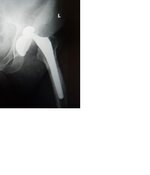
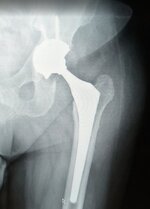
Albec
Well-known member
Without going into the morbid and graphic detail, but speaking from hard and painfully learnt experience (altho gaining this experience involved most other major bones, organs, and joints in my body, it did not actually involve either of my hips - much to everyone's surprise, mine included!
Sure, do the PT, work as hard as you can manage/bear on strengthening all the muscles around your hip as much as you can (maybe you'll be able to get a little fitter while you're doing it, cos that won't 'hurt' the surgery &/or your recovery!) maybe even do the injections, but from my experience, I'd strongly suggest doing the injections only if the Doctors firmly believe and can convince you that the injections will actually benefit your hip/s, and NOT just 'delay' needing to have the hip replacement done! Those injections can do more harm than good, especially if you are going to need the replacement anyway!
So if the Doc thinks you're gonna need to get the replacement done anyway, just DO IT - without waiting until you've let everything deteriorate so much that you've screwed your chances of ever getting a good result AND put yourself thru a whole lot more pain and difficulty along the way!!
Just Sayin'
I appreciate your reply, Peter!
...the longer you wait, the worst your hip joint/s will become and the greater the atrophy in all the muscles around it will be, resulting in a much greater likelihood of you ending up with issues/poor results after the surgery.
I spoke with my doc and he suggested doing the injections first, I've had two so far, three months apart, they did help with no downside. Yesterday I had my first session of PT, it went well and I'm feeling pretty good today.
"Sure, do the PT, work as hard as you can manage/bear on strengthening all the muscles around your hip as much as you can (maybe you'll be able to get a little fitter while you're doing it, cos that won't 'hurt' the surgery &/or your recovery!"
Both my wife and I have been working out 4 to 5 days a week for 40 years now, been married for 49. We have our own gym in the basement with lots of machines and stuff. So, I'm in pretty good shape as it is and the physical therapist mentioned that I'm ahead of the curve because of this. Hey, I can do 75 pushups in 60 seconds. Not bad for an old geezer, right? The therapist gave me some exercises to do at home that targets the area involved.
Anyways, when I say that I'm going to hem and haw for a while before deciding on surgery, I won't put it off too long, perhaps this winter.

LisaMal
Member
If a well done, a hip replacement works fine on the Spyder. In fact, I could go back to two wheels, my hips work great with the exception of flexibility. 1 of mine was "revised" 4 times due to infection, and is a MUCH larger replacement than normal. I have what you might call a hotspot too, which is a little more sensitive when seated. The stock seat was OK with it, but I could feel it. I just put an Ultimate seat on, and it seems to be great.
WOW 4 times? I hope you didn't use the same doctor after the first infection. That is horrible! I feel bad for you...
McClendons
Active member
I did use same doc... the issue is clearing an infection once you have it. The 2nd surgery he tried to clean it out, and install a new joint. That works sometimes, but not a high percentage. The 3rd surgery replaced the joint with a spacer impregnated with antibiotic. The antibiotic leaches out over weeks, killing the infection. The 4th surgery was to then replace the spacer with a new joint. Not a fun 14 months to say the least, and with my luck, I got sepsis after the 2nd surgery.WOW 4 times? I hope you didn't use the same doctor after the first infection. That is horrible! I feel bad for you...
There is a risk of infection, and it really sucks if it gets infected. That said, the difference in pain I was in before surgery made the risk worthwhile. A good Dr, and a CLEAN hospital can minimize the risk of infection... but not eliminate it. The risk is very low single digits, but there.You folks who had infections, what happened?
Y'all are scaring me a little with all this talk of infections and having to redo the replacement. What was the cause of these infections?
My left hip is screwed up and I'm in the process of physical therapy, hoping for the best but expecting the worst. My doc wants to do a replacement, but I'm going to hem and haw for a while first. Injections and PT then we'll see what's what.
There are 2 types of hip replacements, posterior and anterior. Anterior is a newer approach. If you are a candidate for anterior, go that approach IMHO. I had one of each, the posterior was the one that got infected. With the anterior, I was able to walk around the block with no assistance on day 5; I actually could have done it on day 2, but the Dr said to use a walker for a few days, as falling is a risk. The pain was MUCH LESS with the anterior, but some of that could have been the surgeon's skill. Everything I've read and was told also indicates that the anterior tends to be a little more stable with less chance of popping out.
I tried the shots, they helped the 1st time, a little the 2nd... but they just delay the inevitable. The replacements transformed things for me.
LisaMal
Member
With my infected hip replacement, I was part of an FDA study that used the European method of revision. The clean out and placement of new hardware was done in one operation. Granted it was a longer operation, but I didn’t suffer the way it seems you did and many other people do. I’m sorry you had to tolerate that. My first revision, done in this manner, was quite successful. The doctors in the US need to learn how to do this surgical method. It is widely used in Europe. If you wanna talk more about it, let me know and we can have a discussion off-line. I am a retired Respiratory therapist who was exposed to many things in the hospital, so I understand infection quite well.I did use same doc... the issue is clearing an infection once you have it. The 2nd surgery he tried to clean it out, and install a new joint. That works sometimes, but not a high percentage. The 3rd surgery replaced the joint with a spacer impregnated with antibiotic. The antibiotic leaches out over weeks, killing the infection. The 4th surgery was to then replace the spacer with a new joint. Not a fun 14 months to say the least, and with my luck, I got sepsis after the 2nd surgery.
Albec
Well-known member
There is a risk of infection, and it really sucks if it gets infected. That said, the difference in pain I was in before surgery made the risk worthwhile. A good Dr, and a CLEAN hospital can minimize the risk of infection... but not eliminate it. The risk is very low single digits, but there.
There are 2 types of hip replacements, posterior and anterior. Anterior is a newer approach. If you are a candidate for anterior, go that approach IMHO. I had one of each, the posterior was the one that got infected. With the anterior, I was able to walk around the block with no assistance on day 5; I actually could have done it on day 2, but the Dr said to use a walker for a few days, as falling is a risk. The pain was MUCH LESS with the anterior, but some of that could have been the surgeon's skill. Everything I've read and was told also indicates that the anterior tends to be a little more stable with less chance of popping out.
I tried the shots, they helped the 1st time, a little the 2nd... but they just delay the inevitable. The replacements transformed things for me.
Thanks for that info, I'll ask my doc about this when I see him next.
I had my second round of PT yesterday; I was a bit sore afterwards but feeling good today. Very little hip pain, almost none at all. Almost.

JayBros
Well-known member
I've had both of mine repaced, first in 2006, second in 2008. With both, the day I saw the orthopedist at the six week post op visit, I went home and rode 20 miles on my bicycle. Both have been fine ever since. Caveats: 1, the day after first surgery when a little guy came with a wheelchair to take me out to my wife's car I told him, "I have a thing about hospitals, If I walk in, I walk out." Little guy said he had to at least take me to the first floor in the wheel chair, he did that and I walked out totally unassisted. 2, before second replacement, the orthopedist said, "Don't you dare walk out of this hospital." I didn't, just to save his backside. 3, while I resumed active lifestyle promptly after each procedure, it took about six months to feel 100% back to normal. Recommendations: 1, if you can, begin doing the rehab exercises at least two weeks before surgery. 2, if you can, swim as much as possible during rehab. Two weeks after first replacement I was swimming a mile. I didn't have access to a pool after the second replacement.
I didn't get a Spyder until 2014, so there were no issues mounting or dismounting.
I didn't get a Spyder until 2014, so there were no issues mounting or dismounting.
McClendons
Active member
That is the approach they tried on my surgery number 2. It did not work in my case as it is not 100% effective. From the reading I did, the depth of the infection (wound vs bone, etc) and the length of time the area was infected (longer infection, more spread) both play into how effective the repair can be. My infection was all the way at the bone level based on an aspiration, and took way longer to diagnose than it should have... I blame my Dr here, as I actually finally bypassed him and went straight to the emergency room for help. The pain was unbearable, and that comes from someone who tolerates pain well (only took Tylenol after my 2nd hip operation, no Oxy, etc). Glad those days are gone.With my infected hip replacement, I was part of an FDA study that used the European method of revision. The clean out and placement of new hardware was done in one operation. Granted it was a longer operation, but I didn’t suffer the way it seems you did and many other people do. I’m sorry you had to tolerate that. My first revision, done in this manner, was quite successful. The doctors in the US need to learn how to do this surgical method. It is widely used in Europe. If you wanna talk more about it, let me know and we can have a discussion off-line. I am a retired Respiratory therapist who was exposed to many things in the hospital, so I understand infection quite well.
LisaMal
Member
As far as I know, this approach is still not approved in the United States. So if you’re in the United States and the doctor tried it that could be malpractice.That is the approach they tried on my surgery number 2. It did not work in my case as it is not 100% effective. From the reading I did, the depth of the infection (wound vs bone, etc) and the length of time the area was infected (longer infection, more spread) both play into how effective the repair can be. My infection was all the way at the bone level based on an aspiration, and took way longer to diagnose than it should have... I blame my Dr here, as I actually finally bypassed him and went straight to the emergency room for help. The pain was unbearable, and that comes from someone who tolerates pain well (only took Tylenol after my 2nd hip operation, no Oxy, etc). Glad those days are gone.
Here’s more info: https://share.google/aimode/rJxPhyipr9Hvcjmdv

Elqueso2
New member
I can't say for hip replacements, but I've had 3 knee replacements in the last 6 years. The first one, the doctor talked me into a Partial knee replacement (because that’s all he did) and it failed in 3 years. Never get talked into a Partial if you’re over 50. It doesn’t have the same longevity as the full replacement. I had to get a reconstruction on the same knee with a full replacement, and just replaced the other knee last year. I can honestly say that the Spyder is so much easier to climb onto than the Harley and that’s why I got it. I still ride the Ultra Classic, but I'm loving the Spyder more. My wife has hip problems, and she also finds the Spyder easier to get on.

mecsw500
Well-known member
My wife has a dodgy hip. The Spyder is much easier for her than the sports touring bikes we had before. She can get on before I do, or off after I get off if she wants to. Much easier on me if she happens to get on after me, I just stand up, lean forwards, and that gives her room. Two wheels were much more tricky.
My arthritis just gives me dodgy everywhere. A new neck C1-C3 would be helpful, but they don't do such things. Sigh.
My arthritis just gives me dodgy everywhere. A new neck C1-C3 would be helpful, but they don't do such things. Sigh.
Similar threads
- Replies
- 3
- Views
- 715

- Replies
- 11
- Views
- 2K

- Replies
- 3
- Views
- 461

- Replies
- 18
- Views
- 1K
